Asbestos Trust Funds for New York Workers
How New York shipyard workers, construction tradespeople, and 9/11 responders can file asbestos trust fund claims. Key trusts and filing process.

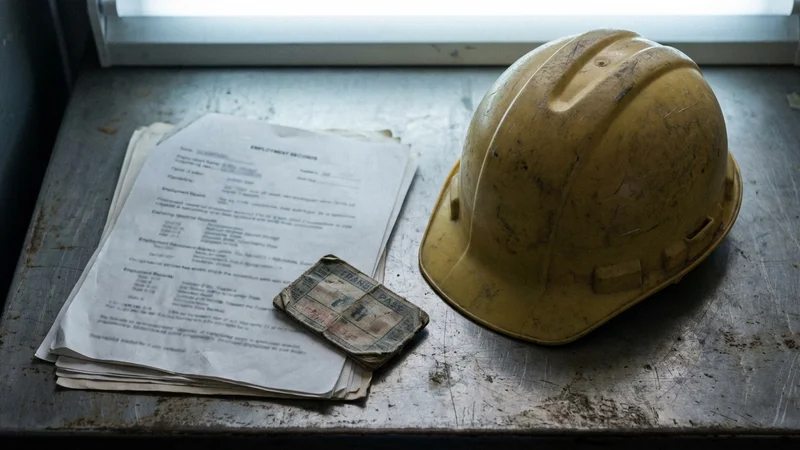
New York workers, particularly those in the construction trades and Brooklyn Navy Yard, have some of the strongest asbestos trust fund claims in the country.
A steamfitter who worked on building projects across Manhattan for 20 years, or a Navy Yard worker who spent a career below deck on warships, encountered asbestos products from dozens of manufacturers. Each manufacturer’s bankruptcy trust represents a separate claim.
Those 60-plus active trusts hold more than $30 billion combined and accept new claims on a rolling basis.
For New York families dealing with the state’s high mesothelioma case volume, trust fund claims represent a significant and accessible source of compensation alongside lawsuit settlements and verdicts.
Trusts Most Relevant to New York Workers
| Trust | Products/Industry | New York Connection |
|---|---|---|
| Johns-Manville Trust | Pipe insulation, building products | Used in construction, shipyards, and manufacturing statewide |
| Owens Corning/Fibreboard Trust | Insulation, roofing | Present in commercial and residential buildings across NYC |
| Pittsburgh Corning Trust | Glass block, pipe insulation | Shipyard steam systems, building construction |
| Garlock Sealing Technologies Trust | Gaskets, packing, seals | Shipyard and industrial maintenance, construction trades |
| W.R. Grace Trust | Fireproofing (Monokote) | Spray-on fireproofing in NYC commercial buildings |
| Combustion Engineering Trust | Power plant equipment | Power generation facilities statewide |
| U.S. Gypsum Trust | Joint compound, construction products | Construction trades across all five boroughs |
| Flintkote Trust | Building products, cement, roofing | Commercial and residential construction |
Construction Tradespeople
Construction workers in New York City have the broadest trust fund eligibility because the city’s building boom placed them in contact with asbestos products from many different manufacturers across many job sites.
A single steamfitter or insulator who worked on commercial buildings in Manhattan over a two-decade career might have been exposed to pipe insulation from one company, fireproofing from another, gaskets from a third, and joint compound from a fourth, each at a different building.
An experienced attorney can trace these connections using union records, employer records, and product identification databases that match specific asbestos products to specific buildings and time periods.
Brooklyn Navy Yard Workers
Shipyard workers at the Brooklyn Navy Yard were exposed to some of the highest concentrations of asbestos in any occupation. Pipe insulation, boiler lagging, gaskets, fireproofing, and electrical insulation came from different manufacturers, and each represents a separate trust fund claim.
Navy records and shipyard employment records provide strong documentation of exposure. The same manufacturers that supplied the Brooklyn Navy Yard also supplied California’s Hunters Point and Long Beach yards, Georgia’s Savannah port, and Florida’s Jacksonville yards, meaning workers at all of these facilities file against many of the same trusts.
9/11 Responders and Recovery Workers
People with mesothelioma linked to 9/11 asbestos exposure may file trust fund claims against the manufacturers of asbestos-containing products that were present in the World Trade Center buildings. These claims are separate from the WTC Victim Compensation Fund and can be pursued simultaneously.
Manufacturing Workers
Upstate New York manufacturing workers, including those at steel mills in Buffalo, the Carrier Corporation in Syracuse, and Grumman on Long Island, were exposed to asbestos insulation and components from companies that now have active trusts. These workers can typically identify five to 10 applicable trusts based on the specific products used at their facility.
Filing Process
- Diagnosis documentation. Pathology reports confirming mesothelioma.
- Exposure evidence. Work history placing the claimant at sites where specific products were used.
- Claim submission. Forms filed with each applicable trust.
- Review and payment. Trusts review and pay claims, typically within three to 12 months.
Most trusts offer expedited review for people with mesothelioma. This can shorten processing to two to three months for qualifying claims.
Trust Claims and Other Compensation
Trust fund claims are independent of other compensation sources. Filing a trust claim does not reduce, offset, or affect:
- Lawsuit settlements or verdicts
- WTC Victim Compensation Fund awards for 9/11-related claims
- VA disability benefits for veterans exposed during military service
- Workers’ compensation claims through the state system
Most families pursue all applicable sources simultaneously. For New York workers with exposure across multiple sites and industries, the combined total can be substantial. The 2026 treatment landscape covers the medical options that are often pursued in parallel with the claims process.
References
U.S. Courts. U.S. Courts Asbestos Bankruptcy Information.
https://www.uscourts.gov/services-forms/bankruptcy/bankruptcy-basics/asbestos
RAND Corporation. RAND Institute Report on Asbestos Trust Fund Payments.
https://www.rand.org/topics/asbestos.html
U.S. Department of Justice. WTC Victim Compensation Fund.
https://www.vcf.gov/
Reader Q&A
Frequently Asked Questions
How much can New York workers receive from trust funds?
Individual trust claims typically range from $5,000 to $25,000 each. Because most people with mesothelioma in New York, especially construction tradespeople and shipyard workers, file with multiple trusts, combined recoveries typically range from $300,000 to $400,000, though the total varies based on exposure history and the number of applicable trusts.
Do construction workers have stronger trust claims?
Generally yes, in New York. NYC construction workers were exposed to asbestos products from many different manufacturers across many job sites. This means more defendants and more potential trust fund claims, which can increase total compensation. The breadth of product exposure across a career is what drives higher combined recoveries.
Can 9/11 responders file trust fund claims?
Yes. People with 9/11-related mesothelioma can file asbestos trust fund claims against the manufacturers of products that were present in the World Trade Center. These claims are separate from the WTC Victim Compensation Fund and do not affect VCF awards.
Is there a deadline to file trust fund claims?
Each trust has its own filing deadlines, which vary. Filing promptly after diagnosis is recommended to preserve all options.
Can family members file trust fund claims?
Yes. If the person with mesothelioma has died, family members or estate representatives can file claims on their behalf. Most trusts accept wrongful death claims.
Do trust fund payments affect my lawsuit or VCF award?
Trust fund claims, lawsuits, and the WTC Victim Compensation Fund all proceed independently. Filing trust claims does not reduce any lawsuit settlement, verdict, or VCF award. Most families pursue all available avenues at the same time.
Do all asbestos workers get mesothelioma?
No, not all people with occupational asbestos exposure develop mesothelioma. Most heavily exposed workers never develop the disease, though a meaningful share may develop some asbestos-related condition.
Risk varies by factors like exposure duration, fiber type, age at exposure, genetics (e.g., BAP1 mutations), and lifestyle, with studies showing elevated odds ratios even at low levels but no universal outcome.
Mesothelioma incidence remains rare in the general population, and the large majority of cases worldwide trace to occupational exposure. Secondary exposure, like among family members of workers, also carries risk but affects far fewer people.
What happens if an employee is exposed to asbestos?
Asbestos exposure in employees can cause lung cancer, mesothelioma, laryngeal cancer, and ovarian cancer, with limited evidence linking it to pharynx, stomach, and colorectal cancers.
Inhalation of fibers also leads to noncancer conditions like asbestosis (lung scarring), pleural plaques, and pleural thickening, often after high, prolonged exposure. Symptoms such as shortness of breath and cough may appear 20 to 50 years post-exposure, and smoking combined with asbestos greatly elevates lung cancer risk.