Birmingham Steel, Mobile Ships: Alabama's Asbestos Legacy
How steel mills in Birmingham and shipyards in Mobile exposed generations of Alabama workers and families to asbestos.

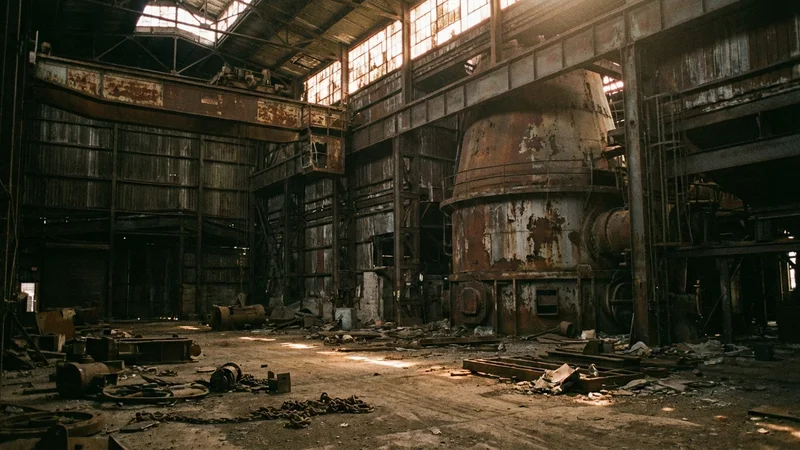
Alabama’s asbestos story is written in two cities. In Birmingham, the steel industry built a metropolitan economy on iron ore, coal, and limestone. In Mobile, the shipyards turned a Gulf Coast port into one of the most productive vessel-building centers in the South. Both industries relied on asbestos at every stage of production. Both left behind a generation of workers who are still being diagnosed decades after their last shift.
The workers are aging. The mills and many of the shipyard buildings are gone. But the diagnoses continue, arriving 30 to 50 years after exposure, in workers now in their 70s and 80s, and sometimes in their families.
Birmingham: The Steel City
Birmingham was called the “Pittsburgh of the South” for good reason. The city sits on one of the only places on Earth where iron ore, coal, and limestone, the three ingredients for making steel, are found within a 30-mile radius. That geological accident turned Birmingham into an industrial powerhouse, part of a broader American steel corridor that included Chicago’s Southeast Side, Gary, Indiana, and the Ohio steel belt. Each of these regions now carries a disproportionate asbestos disease burden.
U.S. Steel Fairfield Works
Fairfield Works opened in 1907 on the western edge of the Birmingham metropolitan area. The sprawling complex included blast furnaces, open-hearth furnaces, coke ovens, and rolling mills that produced steel for construction, railroads, and manufacturing.
Asbestos was woven into every part of the operation. It insulated the blast furnaces that ran at temperatures exceeding 2,000 degrees. It wrapped steam pipes, lined ladles that carried molten metal, and protected electrical wiring throughout the complex. It was used in gaskets, brake linings on overhead cranes, and the fireproofing that covered structural steel.
For insulators, pipefitters, and millwrights who worked directly with these materials, exposure was continuous. But steelworkers on the production floor, crane operators above, and maintenance crews throughout the plant all breathed the same fiber-laden air. Shifts ran around the clock, and ventilation in the older sections of the plant was minimal.
Fairfield Works operated for more than a century before U.S. Steel idled its blast furnaces in 2015. The exposure window spans three generations of Birmingham families.
Sloss Furnaces
Sloss Furnaces opened in 1882 in downtown Birmingham, producing pig iron for the regional steel industry. The facility’s two massive blast furnaces and associated infrastructure used asbestos insulation throughout their 89 years of operation.
Workers at Sloss faced the same exposure as their counterparts at Fairfield Works: asbestos in furnace insulation, pipe covering, gaskets, and fireproofing materials. The compact layout of the Sloss site, with its blast furnaces, casting sheds, and maintenance buildings in close proximity, meant that virtually every worker on site was within range of airborne fibers.
Sloss closed in 1971. It is now a National Historic Landmark and museum, but the workers who operated those furnaces carried the fibers with them long after the last pour.
ACIPCO and the Foundries
American Cast Iron Pipe Company (ACIPCO) has operated in Birmingham since 1905, manufacturing ductile iron pipe and other products. The company’s foundry operations, like all metal casting, used asbestos in furnace insulation, mold materials, and protective equipment.
Dozens of smaller foundries and metal fabrication shops also operated across the Birmingham area, each using asbestos in similar applications. Together with the major steel mills, they created a dense network of exposure sites concentrated in a single metropolitan area.
Mobile: The Shipyard City
Mobile’s relationship with asbestos runs through its shipyards. Shipbuilding has been part of the city’s economy since the 1800s, but the industry reached its peak during World War II, when demand for military vessels transformed the Mobile waterfront into a round-the-clock construction zone.
Alabama Drydock and Shipbuilding Company
ADDSCO was the largest shipyard on the Gulf Coast. During World War II, the company’s workforce grew to approximately 30,000 by 1943, building Liberty ships, tankers, and other vessels for the war effort, according to the Encyclopedia of Alabama entry on ADDSCO. After the war, the company continued building and repairing commercial vessels until it closed in the 1960s.
Shipyards were among the most asbestos-intensive workplaces in American industry, a pattern repeated at yards along the entire Gulf and Atlantic coasts, from Mobile to Jacksonville and Tampa to Savannah. Every vessel required thousands of feet of asbestos insulation in its boiler rooms, engine compartments, and steam pipe systems. Workers applied insulation by hand, cutting sheets and wrapping pipes in confined spaces below deck where ventilation was poor.
The conditions below deck were particularly dangerous. Insulation workers, pipefitters, boilermakers, and electricians worked in tight compartments where asbestos dust hung in the air. But the exposure was not limited to skilled trades. Helpers, laborers, and nearby workers all breathed the same contaminated air.
A $6.6 million verdict against a Mobile shipyard confirmed what workers had known for decades: the asbestos exposure in those cramped engine rooms and boiler spaces was lethal.
Other Mobile Shipyards
ADDSCO was the largest, but not the only, shipyard in Mobile. Bender Shipbuilding and Repair, Atlantic Marine, and several smaller yards operated along the Mobile River, each using asbestos in vessel construction and repair. The exposure pattern was the same: insulation, pipe covering, gaskets, and fireproofing in enclosed spaces.
Beyond Steel and Ships
Birmingham and Mobile represent the largest concentrations of exposure, but asbestos touched workers across Alabama.
Paper and pulp mills across Alabama
Alabama’s paper and pulp industry operated mills in Mobile, Demopolis, Prattville, and the Tennessee Valley. These facilities used asbestos in boilers, digesters, pipes, and other high-temperature processing equipment. Paper mill workers, particularly those in maintenance and boiler operations, faced significant exposure. The paper industry’s reliance on asbestos was nationwide; Wisconsin’s Fox Valley saw nearly identical exposure patterns in its cluster of pulp and paper operations.
TVA and Alabama Power plants
Tennessee Valley Authority (TVA) power plants in northern Alabama, along with Alabama Power facilities across the state, used asbestos insulation extensively. Boiler operators, turbine technicians, and maintenance workers at these plants handled asbestos materials throughout their careers.
Military installations: Redstone, Maxwell, Fort Rucker
Redstone Arsenal in Huntsville, Maxwell Air Force Base in Montgomery, and Fort Rucker (now Fort Novosel) in the Wiregrass region all used asbestos in buildings, infrastructure, and equipment. Military personnel and civilian contractors at these installations were exposed during construction, renovation, and demolition activities.
Take-Home Exposure
The danger extended beyond the factory gates and shipyard docks. Workers carried asbestos fibers home on their clothing, hair, and skin. Spouses who laundered work clothes and children who greeted their parents at the door breathed the same fibers that were killing the workers themselves.
Alabama courts have recognized this exposure pathway in litigation. Families of Birmingham steelworkers and Mobile shipyard workers have filed claims based on take-home exposure, and the state’s legal framework supports these cases. In January 2026, the Virginia Supreme Court ruled that shipyard employers owe a duty of care to household members exposed through contaminated work clothing, a decision that strengthens the legal foundation for similar claims in Alabama.
If you or a family member worked at any of Birmingham’s steel mills, Mobile’s shipyards, or Alabama’s paper mills and power plants, an experienced mesothelioma attorney can help reconstruct the exposure history using employment records, union documents, co-worker testimony, and product databases. Many of these sites are connected to asbestos trust funds that still accept claims.
What Remains
The steel mills have largely gone quiet. Fairfield Works is idle. Sloss Furnaces is a museum. ADDSCO is a memory. But the asbestos fibers deposited in the lungs of workers and their families decades ago are still there.
With latency periods of 20 to 60 years, mesothelioma diagnoses continue to emerge from exposures that occurred at these facilities in the 1950s, 1960s, and 1970s. For people receiving a diagnosis now, the 2026 mesothelioma treatment landscape has expanded significantly, with immunotherapy combinations and surgical approaches that did not exist a decade ago. Alabama has extensive documented industrial asbestos exposure, concentrated in the two cities that built the state’s industrial economy. For the families of workers who poured the steel and built the ships, the legacy is still unfolding.
References
Agency for Toxic Substances and Disease Registry. ATSDR National Asbestos Exposure Site Map.
https://www.atsdr.cdc.gov/asbestos/sites/national_map/
Centers for Disease Control and Prevention. CDC WONDER Multiple Cause of Death (ICD-10 C45, Alabama).
https://wonder.cdc.gov/mcd-icd10.html
Encyclopedia of Alabama. Alabama Dry Dock and Shipbuilding Company (ADDSCO).
https://encyclopediaofalabama.org/article/alabama-dry-dock-and-shipbuilding-company-addsco/
Occupational Safety and Health Administration. OSHA Asbestos Standards and Exposure Limits.
https://www.osha.gov/asbestos
Centers for Disease Control and Prevention. CDC USCS Mesothelioma Report.
https://www.cdc.gov/united-states-cancer-statistics/publications/mesothelioma.html
Reader Q&A
Frequently Asked Questions
Which Birmingham steel mills used asbestos?
All of the major Birmingham steel facilities used asbestos extensively. U.S. Steel Fairfield Works, Sloss Furnaces, ACIPCO, and dozens of smaller foundries used it in furnace insulation, pipe covering, gaskets, fireproofing, and electrical systems. Exposure affected insulators, pipefitters, boilermakers, electricians, millwrights, and production workers.
How were Mobile shipyard workers exposed to asbestos?
Shipyard workers applied asbestos insulation by hand in confined spaces below deck. Boiler rooms, engine compartments, and steam pipe systems all required asbestos insulation. The enclosed conditions meant fiber concentrations were extremely high, particularly for insulation workers, pipefitters, and boilermakers.
How long after working in a steel mill or shipyard can mesothelioma develop?
Mesothelioma typically develops 20 to 60 years after asbestos exposure. A steelworker exposed at Fairfield Works in the 1970s could receive a diagnosis in the 2030s or later. A shipyard worker from the 1960s may still be at risk today. The long latency period means new cases continue to emerge.
Can families of Alabama industrial workers file mesothelioma claims?
Yes. Both direct exposure claims and take-home exposure claims are recognized in Alabama courts. Workers who were directly exposed and family members who inhaled fibers from contaminated clothing may have legal options, including trust fund claims and lawsuits.
Are there asbestos trust funds for Alabama workers?
Yes. Many of the companies that manufactured or supplied asbestos products to Alabama steel mills, shipyards, and industrial facilities have established bankruptcy trust funds. An experienced attorney can identify which trusts apply to a specific worker’s exposure history.
What year do mobile homes have asbestos?
Mobile homes built before 1980 commonly contain asbestos in materials like insulation, roofing, flooring tiles, and textured paints. The EPA banned most asbestos uses in building materials between 1978 and 1989, so homes manufactured after 1978 are unlikely to have it, though some residential applications persisted into the mid-1980s. Asbestos presence cannot be confirmed visually; professional testing is needed if the home shows damage to suspect materials. Exposure to asbestos fibers raises mesothelioma risk in people with prolonged inhalation [NCI].
What is the 3 5 7 rule for asbestos sampling?
The 3-5-7 rule, from EPA’s Asbestos Hazard Emergency Response Act (AHERA) under 40 CFR 763.86, sets minimum bulk samples for friable surfacing materials (like acoustic ceilings or spray-on fireproofing) in homogeneous areas: 3 samples for <1,000 sq ft, 5 for 1,000-5,000 sq ft, and 7 for >5,000 sq ft. Samples must be randomly distributed, with the area deemed asbestos-containing if ≥1% asbestos by weight in any sample. The EPA Pink Book recommends 9 samples per area for higher confidence, though 3-5-7 is the regulatory minimum. This applies to U.S. inspections; other materials like joint compound require separate protocols, often 3 samples. People with mesothelioma often trace exposure to undetected asbestos in such materials.
Can your lungs clear out asbestos?
The human body can clear some inhaled asbestos fibers through mucociliary clearance, coughing, phagocytosis by alveolar macrophages, and lymphatic drainage, though many fibers, especially amphibole types, remain in lung tissue for years or a lifetime. Chrysotile fibers may be completely removed from lungs in under 8 years after exposure ends, while amphiboles like crocidolite and amosite show much longer biopersistence. No standard medical treatments remove embedded fibers, but bronchopulmonary lavage has removed 12-59% of lung burden in asbestosis cases to improve function, though it does not reverse damage. Retained fibers increase risks for mesothelioma, lung cancer, and asbestosis.