Wisconsin Mesothelioma by the Numbers
Wisconsin leads the US in per capita mesothelioma. CDC data on cases, deaths, and exposure across Milwaukee, Fox Valley, and paper mill counties.

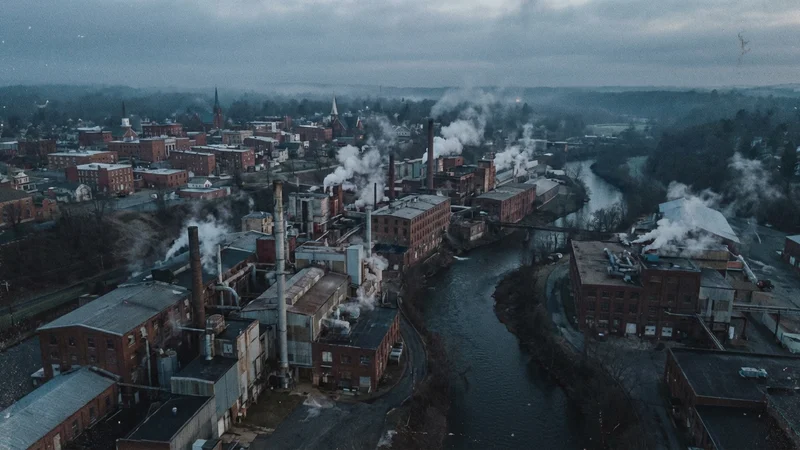
Wisconsin holds a distinction no state wants: the highest per capita mesothelioma rate in the country. At 1.24 per 100,000 residents, the state exceeds Pennsylvania, Minnesota, and every other state in the nation.
The reason is the paper industry. Wisconsin’s Fox River Valley was the papermaking capital of the United States for most of the 20th century, and paper mills used asbestos extensively in machine felt, insulation, gaskets, and brake systems. The workers who built that industry are now receiving diagnoses 30 to 50 years after their last shift.
State Rankings
For a full comparison of all 50 states, see our mesothelioma rates by state rankings.
| Metric | Wisconsin | National |
|---|---|---|
| Mesothelioma rate (per 100K) | 1.24 (highest) | Well below Wisconsin |
| Mesothelioma deaths (1999-2017, CDC WONDER) | 1,295 | Tens of thousands nationally |
| Asbestosis deaths (1999-2017, CDC WONDER) | 362 | -- |
| Statute of limitations (PI) | 3 years from diagnosis | Varies by state |
County-Level Data
Wisconsin’s mesothelioma burden is concentrated in its industrial corridor. Milwaukee County carries the largest share, reflecting a century of heavy manufacturing, shipbuilding on Lake Michigan, and industrial construction where asbestos was standard. The Brown County and Fox Valley corridor follows, driven by the paper mill concentration across Outagamie, Winnebago, and Calumet counties. Among Midwest industrial states, only Ohio and Michigan record higher total case volumes, though neither matches Wisconsin’s per capita rate. Neighboring Minnesota also ranks among the highest states nationally on a per capita basis, driven by Iron Range taconite mining and the industrial corridor around the Twin Cities.
Where Exposure Happened
Wisconsin’s asbestos burden traces to three primary sectors.
Paper mills in the Fox River Valley
The Fox River Valley, stretching from Green Bay through Appleton, Neenah, Menasha, and Kaukauna, contained the largest concentration of paper mills in the country. Asbestos was used in paper machine felt, dryer rolls, insulation on steam pipes, gaskets, and brake systems on heavy equipment. Workers who maintained and operated these machines inhaled fibers throughout their careers.
Milwaukee manufacturing and foundries
Milwaukee’s manufacturing sector used asbestos across automotive parts production, machinery manufacturing, and foundry operations. The city’s industrial base employed hundreds of thousands of workers in facilities where asbestos insulation, gaskets, and fireproofing were standard.
Lake Michigan shipbuilding
Lake Michigan shipyards in Manitowoc, Sturgeon Bay, and Milwaukee built naval vessels and commercial ships throughout the 20th century. Shipbuilding was one of the most asbestos-intensive industries, with the material used in insulation, pipe covering, fireproofing, and boiler rooms. Similar shipyard exposure patterns played out at facilities along the Great Lakes coast in Michigan, the Brooklyn Navy Yard in New York, and Jacksonville and Tampa in Florida.
Who Is Most at Risk
- Paper mill workers across the Fox River Valley and statewide
- Millwrights and maintenance crews who replaced insulation and gaskets
- Pipefitters and insulators in manufacturing and commercial construction
- Shipyard workers at Lake Michigan shipyards
- Boilermakers at power plants and industrial facilities
- Construction tradespeople working in pre-1980 commercial and public buildings
The large majority of Wisconsin mesothelioma deaths occur in people aged 60 and older, consistent with the 20 to 60-year latency period between exposure and diagnosis. For those receiving a diagnosis today, the 2026 mesothelioma treatment landscape includes immunotherapy combinations and surgical approaches that did not exist a decade ago.
Wisconsin has a three-year statute of limitations for personal injury claims, running from the date of diagnosis. Wrongful death claims must also be filed within three years. This is longer than some neighboring states. Knowing how Wisconsin’s deadline applies to a specific diagnosis, and keeping exposure records available, helps a family understand its options and decide on its own timeline.
Legal Landscape
For an overview of all current treatment options, see the 2026 mesothelioma treatment landscape. Wisconsin’s asbestos trust fund claims are particularly relevant for paper mill workers, who were exposed to products from multiple manufacturers throughout their careers. The companies that manufactured asbestos-containing paper machine components, insulation, and gaskets have established bankruptcy trusts that still accept claims.
Verdicts and settlements in Wisconsin reflect the state’s industrial profile, with cases tied to paper mills, manufacturing facilities, and shipyard exposure.
References
Centers for Disease Control and Prevention. CDC USCS Mesothelioma Report.
https://www.cdc.gov/united-states-cancer-statistics/publications/mesothelioma.html
Centers for Disease Control and Prevention. CDC WONDER Mortality Database.
https://wonder.cdc.gov/
Didier et al. 2025, PMC. Mesothelioma Mortality Trends in the United States.
https://pmc.ncbi.nlm.nih.gov/articles/PMC12005915/
Reader Q&A
Frequently Asked Questions
Why does Wisconsin have the highest mesothelioma rate?
Wisconsin’s paper industry is the primary driver. The Fox River Valley contained the largest concentration of paper mills in the country, and asbestos was used extensively in paper machine components, insulation, and maintenance operations. Combined with manufacturing and shipbuilding exposure in Milwaukee, the state has an unusually high per capita burden.
What is the statute of limitations for mesothelioma in Wisconsin?
Wisconsin has a three-year statute of limitations for personal injury claims, starting from the date of mesothelioma diagnosis. Wrongful death claims must also be filed within three years of the date of death.
Which Wisconsin counties have the most cases?
Milwaukee County carries the largest concentration, reflecting its history of heavy manufacturing, shipbuilding, and industrial construction. Waukesha, Racine, and Brown counties also show elevated burdens. The Fox Valley counties (Outagamie, Winnebago, Calumet) have outsized rates relative to their size because paper mills were the dominant employer across the region.
Are mesothelioma cases still being diagnosed in Wisconsin?
Yes. Because mesothelioma has a latency period of 20 to 60 years, people exposed in the 1960s through 1980s are still receiving diagnoses. Wisconsin’s rate remains the highest in the nation despite the decline of the industries that caused the exposure.
Can families of paper mill workers file claims?
Yes. Both direct exposure claims and take-home exposure claims are available. Workers who were directly exposed and family members who inhaled fibers from contaminated clothing may have legal options, including asbestos trust fund claims and lawsuits.
What state has the most mesothelioma cases?
California has the highest total number of mesothelioma cases among U.S. states, reflecting its large population and history of asbestos use in shipyards, mining, oil refining, and naturally occurring asbestos deposits. Florida, New York, and Pennsylvania also record among the highest total case counts nationally.
What is the number one cause of death in Wisconsin?
Heart disease is the leading cause of death in Wisconsin, consistently ranking first ahead of cancer. Cancer ranks second overall, and this pattern holds across most demographic groups.
What is the life expectancy of someone with asbestos mesothelioma?
Prognosis varies significantly by type. Pleural mesothelioma, the most common type linked to asbestos, generally carries a shorter median survival than peritoneal mesothelioma. Peritoneal cases, particularly those treated with cytoreductive surgery and HIPEC, tend to have meaningfully better outcomes. Factors like stage, cell type, age, and access to specialized treatment all influence individual prognosis.